
Meat Safety Assurance System: Farm to Fork
Regular Price $3,000 Introductory Price $2,550
Be one of the first to take this International Training Course in Meat Safety Assurance
The Meat Safety Assurance System: From Farm to Fork (MSAS) course is an online, hybrid, cohort-based course delivered over 12 weeks. The course, therefore, approaches meat safety assurance as an integrated system rather than presenting HACCP as a static compliance tool. Participants gain the skills to design, evaluate, and manage comprehensive meat safety systems, addressing the foundations of meat safety assurance, production systems, and supply-chain hazards and risks across the sector. Topics include: microbiological hazards, chemical residues, environmental contaminants, food allergens, animal welfare, slaughter hygiene, process controls, official controls, risk-based meat inspection and traceability, antimicrobial resistance, One Health, sustainability, emerging technologies, risk communication, and policy integration. It also promotes a holistic, risk-based perspective by integrating risk assessment and management, official controls, and evidence-based decision-making within the US, EU, UK, and international regulatory frameworks.
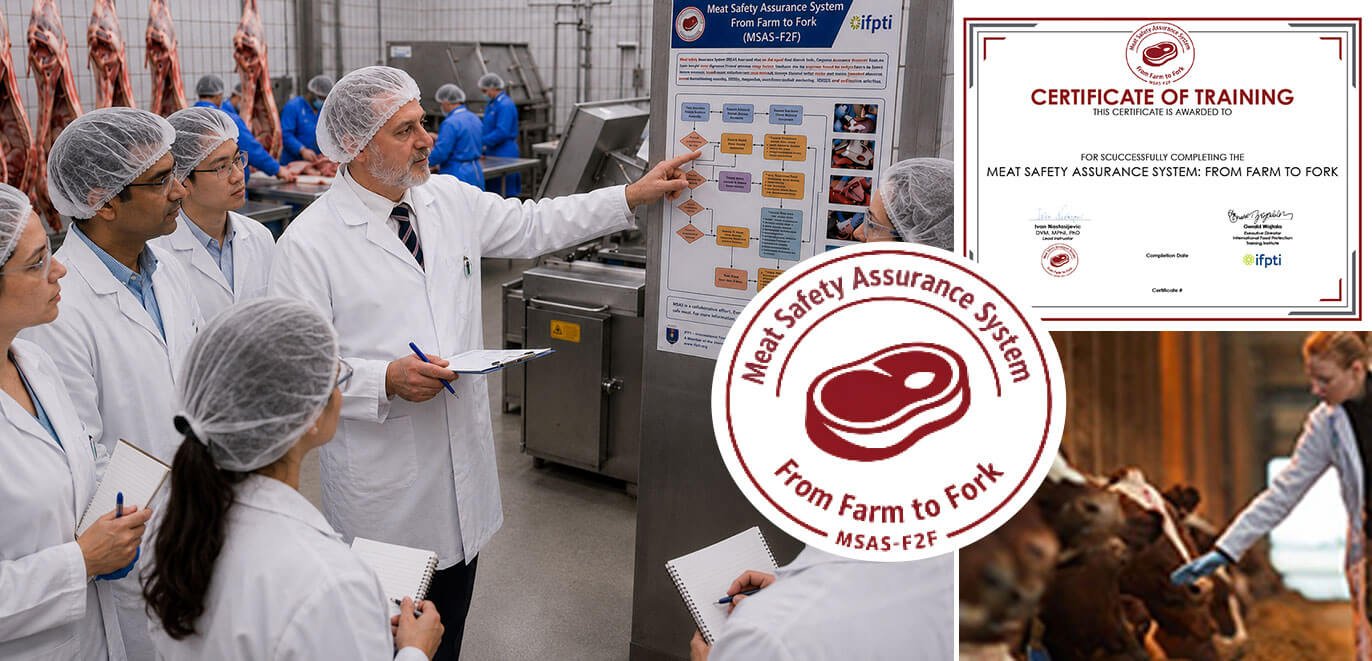
Key Modules CoveredFoundations of the Meat Safety Assurance SystemMeat Production Systems & Supply Chain RisksMicrobiological Hazards in MeatChemical Hazards & ResiduesFood Allergens in Meat Safety ManagementAnimal Welfare as a Food Safety DeterminantHygiene, Slaughter & Processing ControlsOfficial Controls, Risk-based Meat Inspection & TraceabilityAntimicrobial Resistance & One HealthSustainability in Meat Safety ManagementEmerging Technologies in Meat SafetyRisk Communication & Policy Integration
-
Regulatory Officials & Inspectors
Food Safety and Public Health Policy Advisors
Quality Assurance Managers
HACCP Team Leaders
Food Safety Auditors
Livestock Producers
Meat Processing Supervisors
PhD students
-
Background in:
Food/meat science
Veterinary medicine
Food microbiology
Meat technology
Animal science
Public health
Or equivalent professional experience in the meat industry.
Prior experience in regulatory enforcement, inspection, meat production system, quality assurance, food safety management, and public health policy is desirable.
Course Type: This online hybrid course includes cohort-based learning, interactive collaboration, personalized feedback by course instructor, and active engagement through weekly webinars with group discussions.
Delivery Type: 10 hours a week of course work including a 1.5-hour weekly webinar. Online hybrid course with primarily asynchronous, self-paced learning, supported with guided readings from regulatory documents and evidence-based scientific-technical literature.
DURATION: 12 weeks including Exam
COURSE TERM: September 7, 2026 – December 7, 2026
WEEKLY WEBINARS: 17:00-18:30 PM LONDON TIME
ENROLLMENT CLOSES AUGUST 31, 2026
CONSIDERING MEAT SAFETY ASSURANCE COURSE?
EMAIL REQUIRED
DOWNLOAD COURSE INFORMATION PACKET
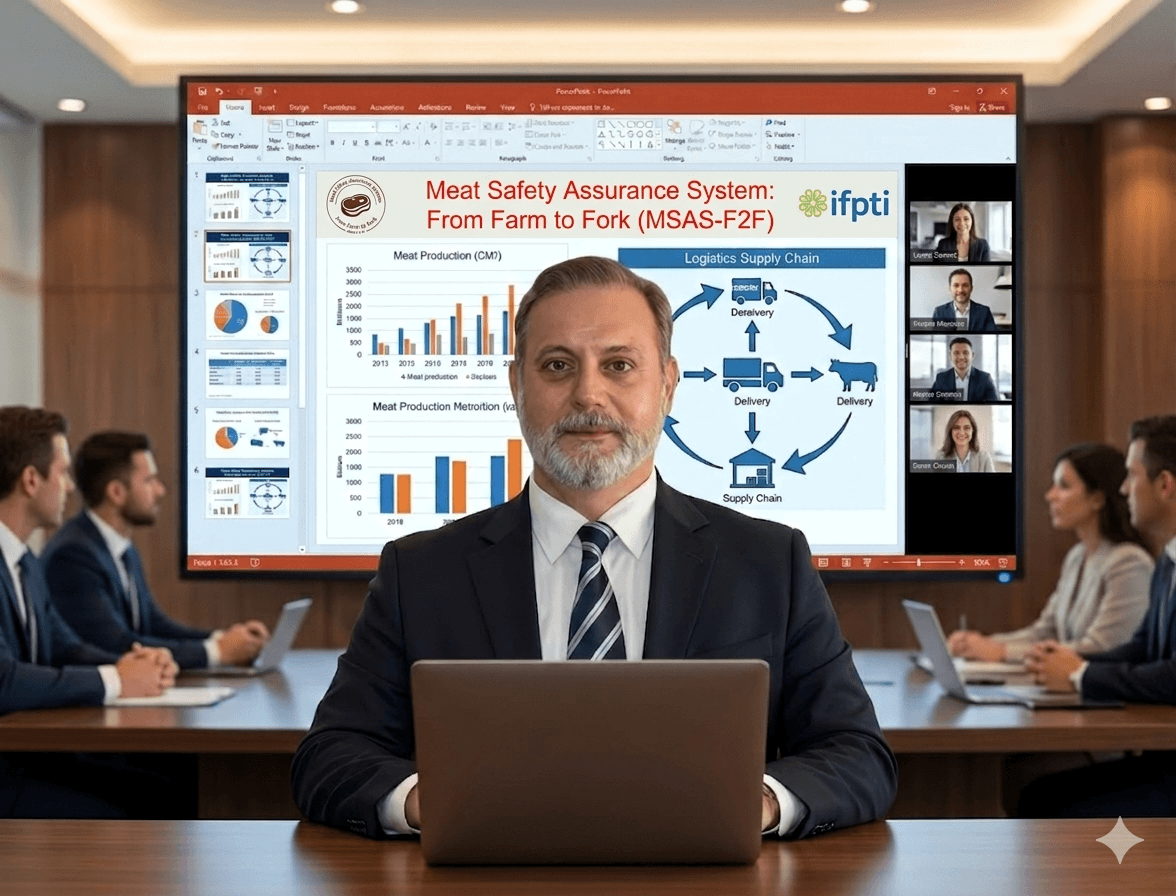

Dr. Ivan Nastasijević is a veterinarian and internationally recognized expert in food safety and meat hygiene, with extensive experience spanning research, policy development, and global public health systems. As a Resident Scientist, Scientific Advisor, and Lecturer in research and academic organizations in the United States, Denmark, the United Kingdom, Italy, and Serbia, a veterinary inspector within the competent authority, and a Technical Officer for Food Safety at the World Health Organization, he has contributed to the advancement of integrated, science-based food safety systems supporting public health protection. He has also supported the development and strengthening of foodborne pathogen control strategies, antimicrobial resistance mitigation, and sustainable food systems. Through professional training and industry outreach, he promotes the implementation of integrated meat safety assurance systems, integrating farm biosecurity, GHP, HACCP-based food safety management, risk-based meat inspection, antimicrobial resistance mitigation, and sustainability across the meat production chain - from farm to fork.