 Image 1 of 2
 Image 2 of 2
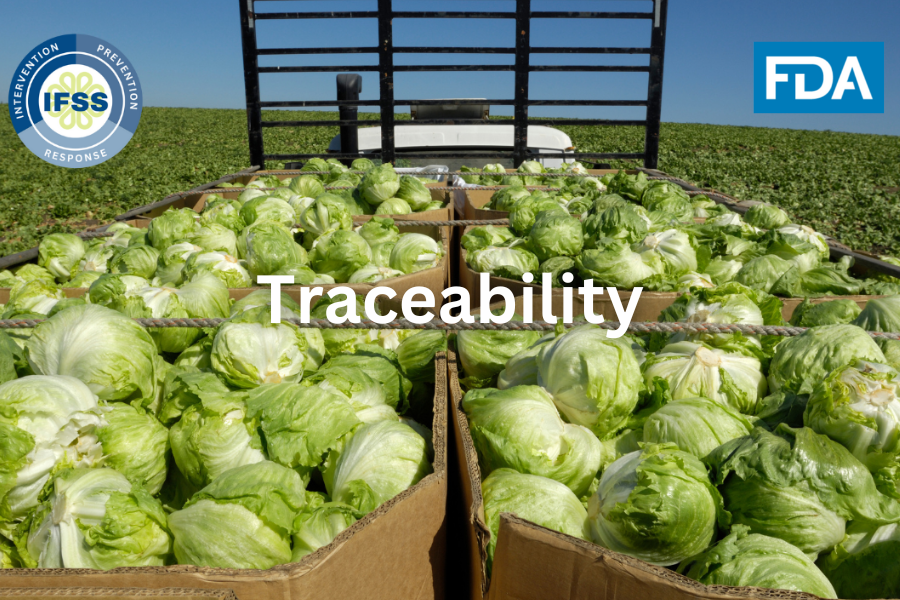
When a food safety issue occurs, the ability to quickly identify where a product came from, where it went, and who may be affected can make a critical difference. Effective traceability helps organizations respond faster to food safety events, support recalls and investigations, reduce public health risks, and protect the integrity of the food supply chain.
Food Safety Traceability provides introductory knowledge, skills, and practical concepts related to tracking human and animal food throughout the supply chain. Participants will gain a clearer understanding of how product tracing supports food safety programs and how accurate records, product identification, surveillance, and stakeholder collaboration contribute to effective traceback and traceforward activities.
By the end of the course, participants will be better prepared to recognize when product tracing may be necessary and understand the essential steps involved in following food products through the farm-to-fork supply chain.
This course explores the foundations and practical application of product tracing through four key areas: Foundations, Making the Case for Initiating Product Tracing, Supply Chain, and the Product Tracing Process.
Participants will learn to:
Define traceability.
Differentiate between traceback and traceforward.
Recognize events that may trigger product tracing.
Recognize the importance of collaboration among stakeholders during product tracing activities.
Participants will learn to:
Recognize the role of surveillance in determining when product tracing should begin.
Identify the information needed to determine whether product tracing is warranted.
Participants will learn to:
Define the farm-to-fork concept.
Explain the one-step-forward, one-step-back principle.
Recognize the importance of maintaining records that support product tracing.
Understand how product identification relates to effective traceability.
Participants will learn to:
Identify the key steps in the traceback process.
Recognize the importance of establishing the timeframe of interest.
Understand the purpose and use of a traceback flow diagram.
Recognize the importance of tracing products forward through the supply chain.
Upon completion of this course, participants will be able to recognize the role of product tracing in human and animal food safety programs and understand the foundational processes used to track products throughout the supply chain.
Unit 1: Foundations: 25 minutes
Unit 2: Making the Case for Initiating Product Tracing: 20 minutes
Unit 3: Supply Chain: 20 minutes
Unit 4: Product Tracing Process: 25 minutes
Total Course Time: Approximately 1.5 hours
When a food safety issue occurs, the ability to quickly identify where a product came from, where it went, and who may be affected can make a critical difference. Effective traceability helps organizations respond faster to food safety events, support recalls and investigations, reduce public health risks, and protect the integrity of the food supply chain.
Food Safety Traceability provides introductory knowledge, skills, and practical concepts related to tracking human and animal food throughout the supply chain. Participants will gain a clearer understanding of how product tracing supports food safety programs and how accurate records, product identification, surveillance, and stakeholder collaboration contribute to effective traceback and traceforward activities.
By the end of the course, participants will be better prepared to recognize when product tracing may be necessary and understand the essential steps involved in following food products through the farm-to-fork supply chain.
This course explores the foundations and practical application of product tracing through four key areas: Foundations, Making the Case for Initiating Product Tracing, Supply Chain, and the Product Tracing Process.
Participants will learn to:
Define traceability.
Differentiate between traceback and traceforward.
Recognize events that may trigger product tracing.
Recognize the importance of collaboration among stakeholders during product tracing activities.
Participants will learn to:
Recognize the role of surveillance in determining when product tracing should begin.
Identify the information needed to determine whether product tracing is warranted.
Participants will learn to:
Define the farm-to-fork concept.
Explain the one-step-forward, one-step-back principle.
Recognize the importance of maintaining records that support product tracing.
Understand how product identification relates to effective traceability.
Participants will learn to:
Identify the key steps in the traceback process.
Recognize the importance of establishing the timeframe of interest.
Understand the purpose and use of a traceback flow diagram.
Recognize the importance of tracing products forward through the supply chain.
Upon completion of this course, participants will be able to recognize the role of product tracing in human and animal food safety programs and understand the foundational processes used to track products throughout the supply chain.
Unit 1: Foundations: 25 minutes
Unit 2: Making the Case for Initiating Product Tracing: 20 minutes
Unit 3: Supply Chain: 20 minutes
Unit 4: Product Tracing Process: 25 minutes
Total Course Time: Approximately 1.5 hours